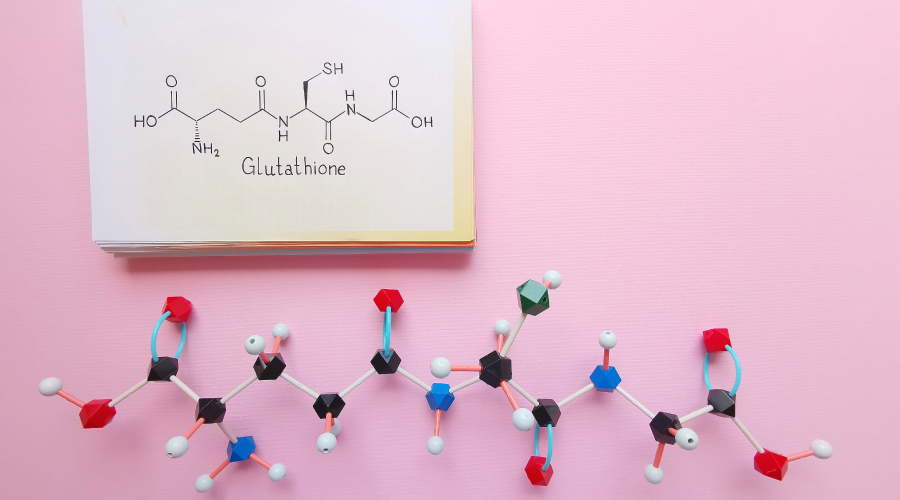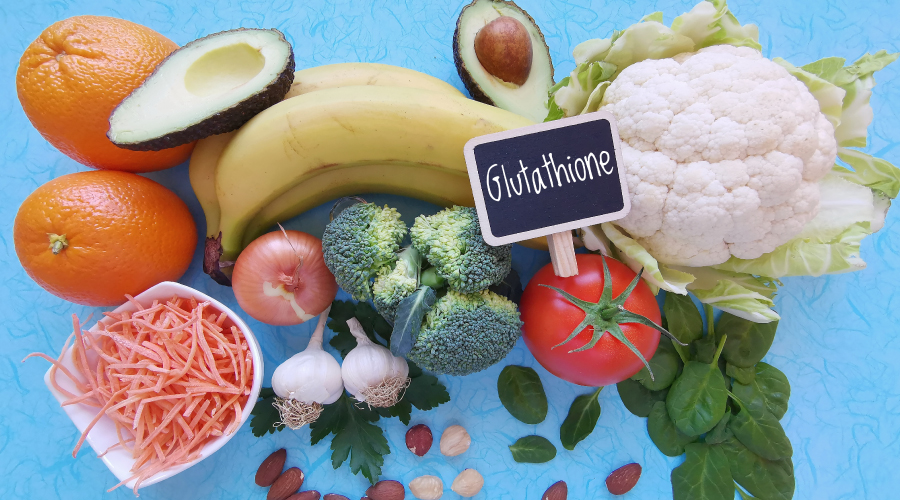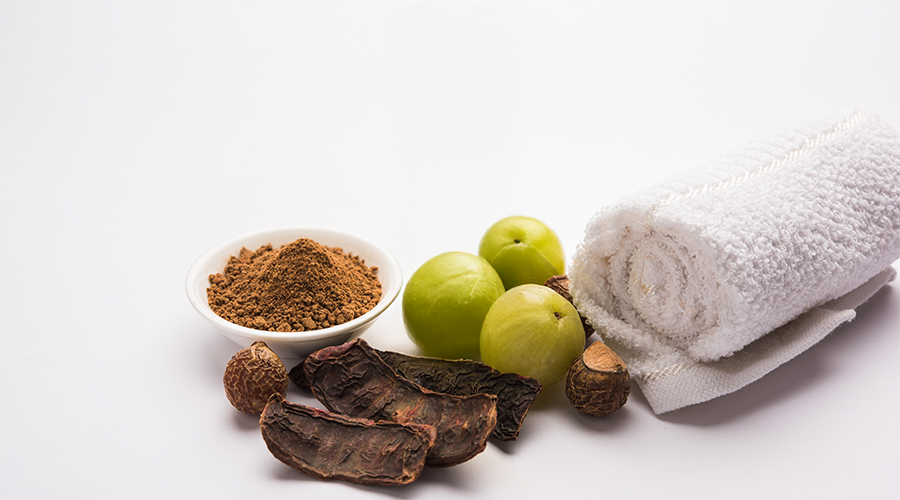

Glutathione plays an important role in skin health, cellular repair, detoxification, and immune function. However, the amount of glutathione available from foods may be influenced by factors such as cooking methods and digestion. Therefore, it is beneficial to include both glutathione-rich foods and foods that support the body’s natural production and recycling of glutathione.
The WHO’s 2026 healthy diet guidance states that people aged 10 years and older should consume at least 400g of fruits and vegetables every day. Unfortunately, a 2024 study in India concluded that 98.4% of Indian adults did not consume the recommended daily servings of fruits and vegetables. For this reason, choosing foods high in antioxidants is of paramount importance.
The best glutathione-rich foods are avocados, asparagus, and raw spinach. Foods that support the body’s own glutathione synthesis include broccoli, garlic, onions, whey protein, eggs, citrus fruits, Brazil nuts, and green tea. These can be consumed raw, steamed, and sautéed, but should not be deep-fried.
10 Best Glutathione Rich Foods
The ranking below is based on two factors. The first is direct glutathione content. The second is the food’s ability to help the body make or recycle glutathione.
A study shows that high-glutathione foods include Avocado, Asparagus, and Spinach. Avocado has an impressive glutathione concentration of 27.7 mg per 100 g, while Asparagus has 24.3 mg per 100 g. Interestingly, raw Spinach has a glutathione content of 9.6 mg per 100 g.
1. Avocado
Type: Direct Source
Primary action: Provides pre-formed glutathione
Best form: Raw slices, salad topping, or guacamole
Suggested serving: 100 g
Avocado is among the best fruit sources of dietary glutathione. Evidence from studies ranks avocado among the top fruit sources of glutathione. It contains approximately 27.7 mg of glutathione per 100 g.
This supports the use of avocado as a smart raw food for antioxidant support. It also contains monounsaturated fats. This supports skin nourishment and may assist the body’s use of fat-soluble nutrients.
The best way to integrate avocado into the diet is to eat it raw. It can be used in salads, smoothies, on toast, or in guacamole. It should never be baked or fried. It should not be placed in hot or warm foods as heating food can compromise its delicate antioxidant properties.
Avocado is dense with calories, so it should be consumed in appropriate portions. Half of a medium avocado is sufficient as a meal.
Best for: People who want direct antioxidant support with skin-friendly fats.
2. Asparagus
Type: Direct Source
Primary action: Provides pre-formed glutathione
Best form: Lightly steamed, briefly blanched, or shaved raw
Suggested serving: 100 g
Another top food source of glutathione is asparagus. Food composition data show it ranks among the highest glutathione food sources, with approximately 24.3 mg of glutathione per 100 g.
Fresh asparagus is best cooked with moisture but not boiled, as boiling removes some nutrients. Gentle steaming is the best cooking method. Steaming for 2-3 minutes is optimal. It can also be eaten raw. A fun addition to a salad is some thin shavings of raw Asparagus. For added Vitamin C, dress in lemon.
Asparagus contains natural sulfur compounds. This can support and strengthen the body’s detoxification pathways. They may also cause an intense odor in some people’s urine, but this is perfectly fine and harmless.
Best for: People who want a direct glutathione food that fits easily into lunch or dinner.
3. Fresh Spinach
Type: Direct Source
Primary action: Provides glutathione and mineral cofactors
Best form: Raw salads, smoothies, or cold bowls
Suggested serving: 100 g
Raw spinach contains about 9.6 mg of glutathione per 100 g. Spinach also contains magnesium, folate, and antioxidants. This helps maintain cellular energy and the antioxidant balance.
Spinach is helpful in two ways: it contains glutathione and provides other minerals that support glutathione in cells.Of the two, raw spinach is the better choice for glutathione support. Boiling spinach can cause a loss of antioxidants and can lead water-soluble nutrients to leach into the cooking water.
Use raw spinach in a variety of dishes such as smoothies, salads, wraps, and cold grain bowls. Avoid using spinach in hot dishes, like curries, to preserve glutathione levels. Due to spinach’s high oxalate content, those prone to kidney stones should avoid or limit how often they eat spinach. During that time, they can substitute spinach for other greens such as amaranth leaves, lettuce, or methi.
Best for: Plant-based diets that need easy antioxidant volume.
4. Broccoli and Brussels Sprouts
Type: Endogenous Precursor
Primary action: Supports internal glutathione synthesis
Best form: Lightly steamed with mustard seed powder
Suggested serving: 100 g
Broccoli and brussels sprouts may not contain as much glutathione, but they support it in other ways. They contain glucosinolates and glucoraphanin. With the right conditions, myrosinase can convert glucoraphanin to sulforaphane. This is a powerful antioxidant.
Long boiling can denature myrosinase so be careful when cooking. A clinical study found that sulforaphane had at least four times higher bioavailability when cooked broccoli was combined with powdered brown mustard because the powder contained myrosinase.
Keep broccoli lightly steamed and top with a sprinkle of raw mustard seed powder before consumption.Then add a pinch of raw mustard seed powder before eating.
Best for: Long-term support of the body’s internal antioxidant system.
5. Garlic and Onions
Type: Endogenous Precursor
Primary action: Supplies sulfur compounds
Best form: Crushed and rested before cooking
Suggested serving: 2 to 3 garlic cloves or regular onion intake
Garlic and onions belong to the same family of vegetables, alliums. Alliums contain organosulfur compounds, and they preserve cysteine. This contributes to the synthesis of the amino acid tri-peptide, glutathione.
Garlic must undergo a small procedure. It must be crushed or chopped and sit for about 10 minutes before cooking. This is because alliin converts to allicin. This process is reduced if garlic is heated right away.
Only a few cloves of garlic in a dish of dal, sabzi, chutney, soup or salad will suffice. Some individuals may experience acidity after consuming raw garlic. So, be cautious and try small quantities.Onions can be consumed raw in salads or cooked in other dishes and tend to be more tolerable than garlic.
Best for: People who want daily sulfur support through regular home food.
6. Raw Whey Protein Isolate
Type: Endogenous Precursor
Primary action: Providing cysteine-rich protein
Best form: When mixed in cold water or milk
Suggested serving: 1 scoop or as per label instructions
Whey protein helps synthesize glutathione by supplying cysteine. Cysteine is the most vital precursor in the biosynthesis of glutathione.
Whey protein’s quality is, however, important. Sensitive protein structures are destroyed by excess heat. So, avoid mixing whey into boiling milk, hot porridge, or hot coffee. Instead, take it with cold water, milk, or a smoothie.
Whey isolate is preferred by those with mild lactose intolerance. Due to its protein content and muscle recovery benefits, it is also useful for those who exercise regularly.
A 2023 review on cellular glutathione cites food and protein sources of glutathione. While some foods contain glutathione, others support glutathione synthesis with cysteine. Whey protein belongs to the latter category.
Best for: Athletes, active adults, and people with low protein intake.
7. Whole Eggs
Type: Endogenous Precursor
Primary action: Offers cysteine, methionine, and selenium
Best form: When soft-boiled, poached, or gently cooked
Suggested serving: 2 whole eggs everyday (or as suggested by a doctor)
Whole eggs are naturally a complete protein source. It contains the precursor amino acids. It supports the body’s glutathione and selenium, which support the enzyme glutathione peroxidase. This is a primary antioxidant enzyme that helps protect body cells from oxidative damage. It converts toxic hydrogen peroxide into water and lipid hydroperoxides into lipid alcohols.
The quality of protein in egg whites is also not comparable to that of yolks. However, over-frying eggs reduces their quality. Soft-boiled, poached, or lightly scrambled eggs are better. Eating eggs with antioxidant-rich foods such as spinach, avocado, and lightly steamed broccoli also makes for a better meal.
Eggs fit most meals. They can be consumed for breakfast, added as snacks, used in salads, or used as a post-workout protein source.
Best for: General wellness diets that need protein and antioxidant cofactors.
8. Citrus Fruits
Type: Antioxidant Co-factor
Primary action: Recycles active glutathione
Best form: Whole orange, lemon water, amla, or freshly squeezed juice
Suggested serving: 1 large orange or 1 lemon
With regard to glutathione content, citrus fruits are among the poorer sources. They are stronger in Vitamin C.
Vitamin C plays a role in glutathione recycling. As per one clinical study, taking 500 mg of Vitamin C per day resulted in a 50% increase in red blood cell glutathione among participants. This explains why foods high in Vitamin C pair well with foods high in glutathione.
Vitamin C also preserves the function of glutathione. Vitamin C supports the recycling of oxidized glutathione by donating electrons. Whole citrus fruits are better than packaged juices. They are also fresher, lower in sugar, and provide fiber. Fresh lemon water helps as well. In the Indian diet, amla, guava, sweet lime, and oranges can be included.
After drinking lemon water, do not brush your teeth. It can soften your enamel. Rinse your mouth instead with plain water.
Best for: Pairing with avocado, spinach, asparagus, and other antioxidant foods.
9. Brazil Nuts
Type: Enzymatic Co-factor
Primary action: Provides selenium
Best form: Raw, unsalted whole nuts
Suggested serving: 1 to 2 nuts per day
Brazil nuts are a great glutathione source as well as having one of the highest food sources of glutathione peroxidase. Selenium is one of the constituents of glutathione peroxidase.
Because of the high selenium content, Brazil nuts should be eaten in moderation. According to data, the daily requirement for selenium is 55 mcg, and one Brazil nut can contain between 68 and 91 mcg. The tolerable upper intake level is 400 mcg per day.
This means that one Brazil nut is a good source, but a handful can exceed the recommended intake. Overconsuming selenium can lead to symptoms such as hair loss, brittle nails, and fatigue. Eating Brazil nuts raw and unsalted is the best way to enjoy them. To keep them from going rancid, keep them in an airtight container.
Best for: People who need selenium support in very small portions.
10. Green Tea Leaves
Type: Synthesis Upregulator
Primary action: Provides EGCG polyphenols
Best form: Brewed at around 80°C
Suggested serving: 2 to 3 cups daily
Green tea is not a significant source of glutathione. Instead, it provides some support for antioxidant pathways. These are a group of compounds with varying degrees of antioxidant activity. EGCG is the most studied of the catechins.
EGCG plays a vital role in Nrf2-related antioxidant activity. It fits well into a regimen that includes Vitamin C, greens, and sulfur-containing vegetables.
Compared with other teas, green tea contains more catechins. Hence, it is more sensitive to temperature. Do not pour boiling water directly onto green tea leaves. Bitter tea is usually the sign of poor brewing and also might ruin catechins. After boiling, water should cool to 80 Celsius before steeping for 2-3 minutes. Green tea should be consumed in the morning and early afternoon. It contains caffeine and should be avoided later in the day if you have trouble sleeping.
Best for: People who want a simple daily antioxidant beverage.
Nutritional Comparison Matrix
To assess how these glutathione-rich choices fit into your daily routine, read our comprehensive guide on antioxidant skin care strategies. It will help you to match dietary inputs with topical routines.
| Rank | Food Source | Primary Action Type | Key Active Nutrient | Optimal Form |
| 1 | Avocado | Direct Supplementation | Pre-formed glutathione | Raw or unheated |
| 2 | Asparagus | Direct Supplementation | Pre-formed glutathione | Briefly steamed |
| 3 | Spinach | Direct Supplementation | Glutathione and minerals | Raw leaves |
| 4 | Broccoli | Endogenous Synthesis | Glucoraphanin and sulfur | Lightly steamed |
| 5 | Garlic and Onions | Endogenous Synthesis | Organosulfur compounds | Crushed and rested |
| 6 | Whey Isolate | Rate-Limiting Precursor | Bioavailable cysteine | Cold shaken liquid |
| 7 | Whole Eggs | Precursor and Co-factor | Cysteine and selenium | Soft-boiled |
| 8 | Citrus Fruits | Antioxidant Co-factor | Vitamin C | Fresh and whole |
| 9 | Brazil Nuts | Enzymatic Co-factor | Selenium | Raw whole nut |
| 10 | Green Tea | Synthesis Upregulator | EGCG polyphenols | Warm brewed tea |
The Bioavailability Hurdle: Direct Sources vs. Precursors
Glutathione is quite useful, but it is a sensitive nutrient. Body tissues need the proper nutritional building blocks to produce glutathione.
Direct Dietary Glutathione Limits : Some foods have glutathione pre-formed. These foods include avocado, asparagus, and spinach. A study indicated that fruits and vegetables contained moderate-to-high levels of glutathione. Whereas dairy products, cereals, and breads contained little glutathione.
The Rate-Limiting Power of Precursors: For long-term support for glutathione, what matters is the production of glutathione in your cells. Cells produce glutathione from the amino acids cysteine, glycine, and glutamate. A 2019 review in Nutrients noted that foods high in sulfur, green vegetables, and nutrients supporting cysteine help to support glutathione levels.
The Thermal Degradation Factor : Glutathione is heat-sensitive. Boiling, frying, and long cooking can diminish the value of glutathione-containing foods. This is true especially for soft vegetables and leafy greens. The cooking method is just as important as the food choice for optimal health benefits.
The Co-Factor Architecture: Critical Dosage Rules
Glutathione is not functionally independent. It requires cofactors, specific enzymes, and recycling nutrients. The mechanics of your food plan depend on these details.
The Vitamin C Recycling Anchor
Vitamin C acts as a guard to your body’s antioxidant system by recycling oxidized glutathione. A clinical study concluded that healthy adults may increase red blood cell glutathione levels by 50% with 500 mg of Vitamin C daily. It is not a given that everyone needs a Vitamin C supplement. Many may do well on a diet rich in amla, oranges, lemons, guavas, and other Vitamin C-rich foods.
Selenium Requirements for Peroxidase Performance
Glutathione functions through enzyme systems. Selenium is needed for glutathione peroxidase. The NIH confirms that glutathione peroxidase 3 is a major selenium-dependent protein in plasma.
Antioxidant activity may explain why selenium-rich Brazil nuts support glutathione levels. Even though reports state that they are not direct glutathione sources. Adults generally need about 55 mcg of selenium per day. Brazil nuts may easily provide this. But a high dose is risky if too many are eaten. One Brazil nut is generally enough, while two Brazil nuts should be the upper limit of the daily norm.
Alpha-Lipoic Acid as a Synthesis Stimulator
ALA, or Alpha Lipoic Acid, is a potent antioxidant that’s found in every cell of the body. It drives intracellular glutathione production and regulates mitochondrial energy synthesis.
Alpha lipoic acid improves the recycling of antioxidants and cysteine and supports glutathione. It may be found in small amounts in spinach, broccoli, and other foods, as well as in organ meats.
It’s vital to consult a doctor before taking alpha-lipoic acid as a supplement. Especially for patients taking any form of diabetes treatment. Alpha-lipoic acid serves as a master antioxidant. For a thorough understanding of alpha lipoic acid, see our detailed article.
There is substantial evidence supporting the separation of dietary supplements and dietary foods. One randomized controlled trial documented that taking 1000 mg of oral glutathione daily for six months significantly increased glutathione levels. In erythrocytes and plasma, it was increased by 30 to 35 percent, and in lymphocytes by 30 to 35 percent. Interestingly, buccal cell glutathione levels increased by 260 percent. This was observed among participants in the high-dose group.
If your daily diet fails to adequately provide raw cysteine or other cross-linked high-purity sulfate proteins, you can consider natural supplementation. This will help close this dietary gap. For a natural supplementation option, consider glutathione and vitamin C supplements from HK Vitals. These will help support antioxidant defenses and skin health.
The Antioxidant Kitchen: 4-Week Meal Integration Matrix
This matrix provides a glutathione rich meal plan incorporating the foods recommended by this guide.
| Week | Target Food Group Focus | Preparation Rule Directive | Weekly Serving Target | Primary Health Focus |
| Week 1 | Direct Raw Greens: Spinach and Avocado | Keep unheated. Use raw blending or salads. | 4 distinct servings | Initial antioxidant pool loading |
| Week 2 | Cruciferous Activation: Broccoli and Sprouts | Steam for under 3 minutes. Add mustard seed powder. | 3 dense servings | Nrf2 pathway support |
| Week 3 | Alliums and Co-factors: Garlic and Brazil Nuts | Crush the garlic and rest for 10 minutes. | Daily intake tracking | Sulfur baseline expansion |
| Week 4 | Advanced Precursors: Whey Isolate and Citrus | Mix whey cold. Consume fresh citrus. | 5 post-workout or breakfast windows | Better structural retention |
Practical Tips to Preserve Glutathione in Food
- Purchase foods that are as close to their freshly harvested state as possible. Processed and stored foods lose glutathione and other nutrients.
- Nutrients can leach from vegetables when they are boiled for a long time. So, just don’t.
- Nutrients can be lost during boiling as well as frying. Steamed food is a good option.
- Consuming leafy greens in their natural state is important. Excellent salad greens and smoothie additions include spinach, avocado, coriander, mint, and lettuce.
- Garlic needs to sit after being crushed before being added to food. This can be done by allowing it to rest for ten minutes before heating.
- Lemon juice can be added to dishes after cooking. Lemon juice added at the cooking phase preserves the Vitamin C.
- In the case of an antioxidant-heavy diet, the base of the diet should be food. Supplements should be kept to a minimum.
Who Should Be Careful?
- Glutathione-rich foods are safe for most people. But some cases need care.
- People with kidney stone history should moderate high-oxalate foods like spinach.
- People with nut allergies should avoid Brazil nuts.
- People with reflux may not tolerate raw garlic or lemon water well.
- People with thyroid, kidney, liver, or chronic medical issues should speak to a doctor before taking supplements.
- Pregnant and breastfeeding women should take professional advice before starting any antioxidant supplement.
Final Thoughts
Establishing a routine is essential for supporting glutathione levels. Relying on one “miracle” food, as some would say, is detrimental to the cause.
Direct sources, precursor foods, and cofactors can all help support glutathione. Direct glutathione is found in asparagus, spinach, and avocado. Support of internal glutathione production and recycling is found in several foods.
Glutathione as a supplement is also a good option to support skin hydration and elasticity among other benefits. It is important to ensure that the glutathione tablets you’re consuming come from the right source and are made of the right ingredients.
FAQs
What food has the most glutathione?
Whole, raw, or lightly steamed asparagus and avocados contain a great amount of glutathione. Avocados contain approximately 27.7 mg of glutathione per 100 g. And Asparagus approximately 24.3 mg, both of which are higher than in all other foods. Great care should be taken not to draw these veggies’ antioxidant value down by boiling or frying.
Can glutathione be absorbed through digestion?
Yes, glutathione can be absorbed in the small intestines, although there are many ways it can be digested before reaching the blood stream.
Do cruciferous vegetables like broccoli have glutathione?
Broccoli has some glutathione, but it’s better known for its precursor support. Broccoli has glucoraphanin, which changes to sulforaphane. Sulforaphane helps support the body’s internal cellular antioxidant defense pathways. To maintain this support, steam broccoli for a short time and avoid long boiling times. Adding raw mustard seed powder helps form sulforaphane.
Does vitamin C increase the body’s glutathione levels?
Vitamin C can increase the active state of glutathione. It helps the process of reducing oxidized glutathione. 500 mg of vitamin C taken each day for a month increased the glutathione levels of the red blood cells by almost 50% in healthy adults. Amla, oranges, lemons, guavas, and all the citrus fruits are some of the excellent food sources of vitamin C.
What drinks boost glutathione and/or have glutathione?
The majority of the commercial drinks do not have active glutathione. Glutathione is very sensitive to oxidation and processing. Hence, the better options are freshly brewed green tea and cold whey protein shakes. Green tea has EGCG catechins and whey protein has cysteine, which is needed to produce more glutathione in the body.
Is food high in glutathione good for skin?
Food high in glutathione can help skin health as part of a balanced diet. Glutathione can help support the repair of stressed skin. It also helps reduce skin aging and dullness. The foods also support Vitamin C formation. However, diet alone cannot substitute sunscreen application, sleep, and hydration.
Does cooking destroy glutathione in food?
Cooking can destroy glutathione in food. Glutathione is heat-sensitive. It means it can be destroyed with other sensitive nutrients. Cooking methods that are a cause for concern include boiling, frying, and cooking for prolonged periods of time. Methods for preserving glutathione include eating foods raw, cold blending, and light steaming. Broccoli retains more glutathione when steamed for 3 minutes than when boiled. Spinach and avocado are best when consumed raw.
How much glutathione should I consume?
There is no officially stated recommended amount of glutathione. However, a good rule of thumb is to eat two foods that are rich in antioxidants each day. Examples of this include eating spinach with lemon. Eating avocado in a salad. Adding garlic to your meals. And eating lightly steamed broccoli. The WHO recommends that people over the age of 10 eat at least 400 grams of fruits and vegetables each day.