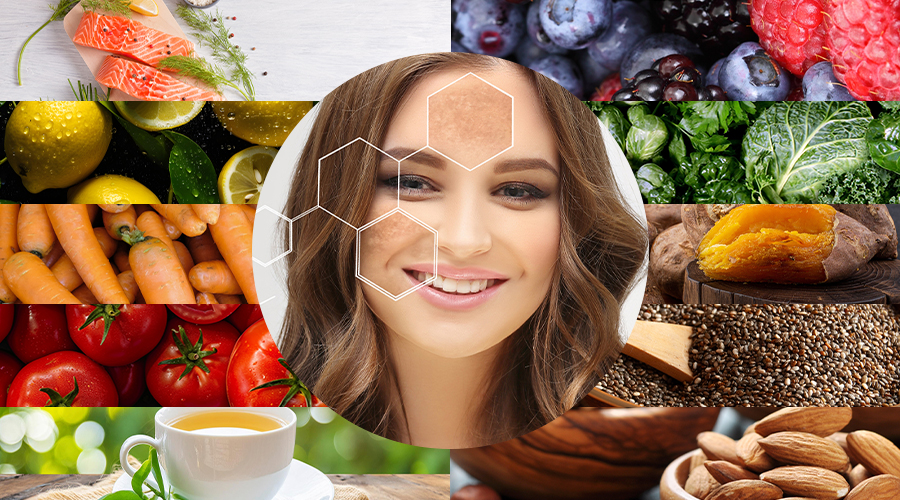

The phrase “best fruit for skin whitening” gets searched a lot, but there is one thing to clarify first. No fruit can bleach your skin or change the colour you were born with. A good diet can support healthier skin, protect it from oxidative stress, and help maintain a more even-looking complexion.
Fruits rich in vitamin C, carotenoids, polyphenols, vitamin E, and water can be particularly useful. They support collagen formation, antioxidant defence, hydration, and normal skin repair. Here are 10 fruits worth adding to your plate.
Do Fruits Actually Whiten Skin? The Biological Reality
Fruits do not change your genetically determined skin colour. However, nutrient-rich fruits can support the processes that help skin look healthy, clear, and even-toned. Vitamin C supports collagen synthesis and antioxidant defence. Polyphenols and carotenoids help protect cells against oxidative stress. Some compounds have also been studied for their effects on pigmentation and UV-related skin changes.
This distinction matters because skin brightening and skin bleaching are not the same thing.
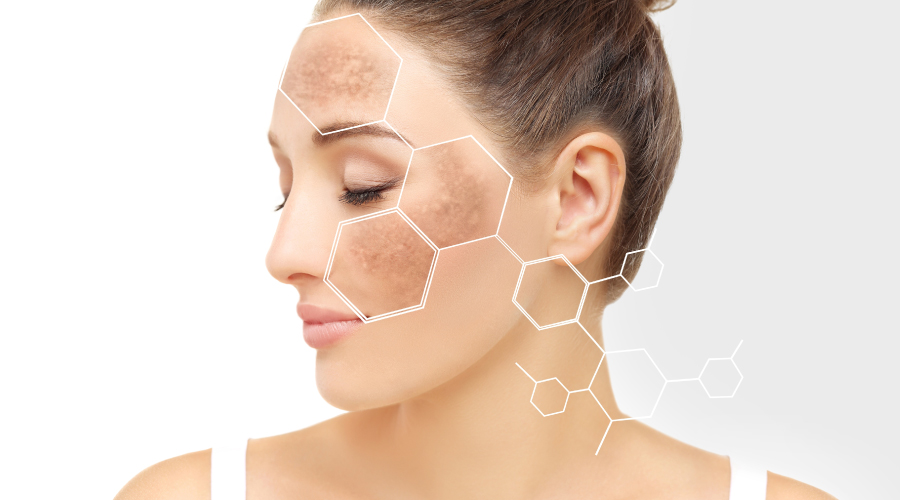
Your natural skin colour is largely determined by melanin and genetics. Hyperpigmentation happens when certain areas contain more pigment than the surrounding skin. Sun exposure, inflammation, acne, hormones, and some medical conditions can all contribute to it.
Tyrosinase is one of the key enzymes involved in melanin synthesis. This is why many pigmentation treatments target tyrosinase or other stages of pigment production. Vitamin C has demonstrated anti-pigmentation effects in dermatological research. Although much of the direct evidence relates to topically applied vitamin C rather than simply eating vitamin C-rich fruit.
So, eating fruit should be viewed as part of a skin-supportive diet. It should not be taken as a treatment that promises to lighten your natural skin tone by several shades.
Top 10 Fruits for Skin Whitening and Pigmentation Reduction
There is no single fruit that can erase pigmentation. The smarter approach is variety. Different fruits provide different combinations of vitamin C, polyphenols, carotenoids, healthy fats, and water.
In fact, the NIH notes that five varied servings of fruits and vegetables can provide more than 200 mg of vitamin C. That is well above the recommended dietary allowance of 75 mg per day for adult women and 90 mg for adult men.
1. Papaya (Carica Papaya): The Proteolytic Exfoliator
Papaya is a favourite fruit when it comes to glowing skin, and for good reason. First, it has an impressive list of skin-friendly vitamins and phytonutrients. Like vitamin C and carotenoids, and an enzyme called papain.
Papain is a proteolytic enzyme, meaning it helps break down protein. And it might be why enzyme exfoliating creams sometimes contain papaya in their formulations. But unlike papaya, enzyme creams are not meant to be eaten.
Papaya’s nutritional value comes from its C-blast of vitamin C, carotenoids, and a whole lot of water.
When it comes to treating hyperpigmentation, there is no benefit to papaya enzyme. Seems like a stretch. But papaya is great to have in your diet; just don’t expect it to be a chemical peel from the inside out.
Easy way to eat it: Have fresh papaya at breakfast, add it to a fruit bowl, or combine it with yoghurt and seeds.
2. Oranges & Citrus Fruits: Powerful Vitamin C Sources
Oranges deserve to be on the list of skin-friendly fruits of choice for a good reason – they contain tons of vitamin C.
According to the NIH Office of Dietary Supplements, a medium orange contains about 70 mg of vitamin C, which is about 78% of the recommended daily value.
Vitamin C helps make collagen, which supports skin, and it also functions as an antioxidant and helps vitamin E in the skin.
Laboratory and topical dermatology research has shown that vitamin C can interfere with pathways involved in melanin production. Consuming an orange should not be an alternative to using a clinically developed vitamin C treatment for hyperpigmentation.
Easy way to eat it: Choose a whole orange over sweetened juice. You get vitamin C along with fibre.
3. Pomegranate: UV Protection & Polyphenol Power
Pomegranates contain polyphenols, including ellagic acid and punicalagins. These compounds have been studied for their antioxidant protection.
There are even some human studies associated with pomegranates and the skin. One study reported that the oral consumption of pomegranate juice or extract increased resistance to UVB-induced erythema in healthy women. Another study has shown that an ellagic acid-rich pomegranate extract possesses the ability to inhibit mild UV-induced pigmentation.
This does not mean that eating pomegranate is a substitute for sunscreen. It means that the polyphenols in pomegranates may help support and protect the skin from stress and damage caused by the environment.
Easy way to eat it: Sprinkle pomegranate arils over yoghurt, oats, salads, or a bowl of mixed fruit.
4. Strawberries & Berries: Vitamin C and Polyphenol-Rich Fruits
Strawberries, blueberries, raspberries, and other berries pack a wide variety of plant compounds into a small serving.
Strawberries are particularly useful for vitamin C. Half a cup of sliced strawberries provides around 49 mg of vitamin C, according to NIH data.
Berries also contain anthocyanins and other polyphenols that contribute to antioxidant defence.
You may see strawberries described as “natural AHA exfoliators.” Fruits do contain organic acids, but eating them does not exfoliate the epidermis. AHAs exert their exfoliating effect when applied to the skin at appropriate concentrations and pH levels.
So, berries are excellent fruits for glowing skin and dark spot reduction support, but mainly because they improve the nutritional quality and antioxidant density of your diet.
Easy way to eat them: Pair fresh berries with oats, curd, yoghurt, or unsweetened cereal.
5. Kiwi: The Vitamin C & E Collagen Supporter
If vitamin C is your focus, do not stop at oranges.
A medium kiwifruit contains approximately 64 mg of vitamin C, which is around 71% of the Daily Value.
Kiwi also supplies vitamin E and several phytochemicals. Vitamin C is water-soluble, while vitamin E is fat-soluble. Together, these antioxidant systems help protect cells against oxidative stress.
Vitamin C is also essential for collagen biosynthesis. That makes kiwi a useful addition to a diet designed to support skin firmness, repair, and general skin health.
This is why kiwi comfortably ranks among the top vitamin C fruits for skin-brightening support.
Easy way to eat it: Slice kiwi into a fruit bowl or blend it into an unsweetened smoothie.
6. Lemon: The “Detox” Citrus- What It Really Does
Lemon water has almost become shorthand for “detox.” Your liver, however, does not need lemon water to perform its normal detoxification functions.
The genuine benefit is simpler. Lemons contain vitamin C and citrus flavonoids. Squeezing lemon into water can also make plain water more appealing, which may help some people drink adequate fluids.
Drinking lemon water is fine. Just do not expect it to flush melanin or toxins out of your skin.
There is another important warning. Do not rub raw lemon juice directly onto your face. Citrus compounds, when exposed to UVA, can cause phytophotodermatitis, a painful phototoxic skin reaction.
Irritation itself may also worsen post-inflammatory pigmentation in people prone to dark marks.
Easy way to use it: Add lemon to water, salads, dals, or other foods rather than applying concentrated juice to the skin.
7. Watermelon: Lycopene & Hydration
Watermelon is roughly 91% water by weight and is also a notable source of the carotenoid lycopene. USDA-derived nutrient data place its lycopene content at roughly 4.5 mg per 100 g.
Water-rich foods contribute to overall fluid intake. They do not literally “fill” individual skin cells, but good hydration supports normal body and skin function.
Lycopene is interesting for another reason. Human studies of lycopene-rich tomato products have reported increased protection against UV-induced skin damage. A randomised controlled trial involving 20 women, for example, found greater resistance to UV-related erythema after 12 weeks of a lycopene-rich tomato intervention.
Those results involved tomatoes rather than watermelon, so they cannot be directly transferred to watermelon. Still, watermelon is a convenient dietary source of lycopene.
Easy way to eat it: Enjoy fresh watermelon on its own instead of relying on sweetened packaged juices.
8. Guava: The Understated Vitamin C Powerhouse
For an Indian diet, guava may be one of the easiest fruits to overlook. Nutritionally, that would be a mistake.
Guava is exceptionally rich in vitamin C. Cleveland Clinic, citing USDA data, notes that a cup of raw guava supplies more than 119% of the Daily Value for vitamin C, while one guava can contain about three times as much vitamin C as an orange.
It also provides fibre and carotenoids.
That combination makes guava an excellent everyday fruit for supporting collagen synthesis and antioxidant intake. High-fibre intake also makes whole guava nutritionally more useful than a sugar-heavy guava beverage.
Does guava directly erase acne pigmentation? There is not enough clinical evidence to say that. But it is one of the strongest choices when your goal is simply to get more vitamin C from whole food.
Easy way to eat it: Eat ripe guava with the edible peel and seeds, provided you tolerate them well.
9. Apples: Malic Acid and Antioxidant Support
Apples contain fibre and polyphenols. Apples also contain the natural organic acid that is malic acid.
Apples do not “internally exfoliate”. Malic acid can be used in a topical formula as an alpha hydroxy acid. The contact that the skin has with this topical formula is quite different to what happens in the body when an apple is consumed.
The real dietary value comes from the fruit in a high-fibre, high-polyphenol diet.
Apples are also a super practical fruit. They store well and travel easily. They can replace those outlandishly processed snacks that add zero micronutrients.
Easy way to eat them: Eat a whole apple with its skin after washing it properly. Pair it with nuts if you want a more filling snack.
10. Avocado: Healthy Fats for the Skin Barrier
Avocado is unique amongst the other fruits on this list.
It is not an avid source of vitamin C, but is instead packed with monounsaturated fats, vitamin E, and carotenoids, amongst other nutrients. While USDA-funded studies of the Hass avocado have illustrated that it contains vitamin E and some B vitamins, avocado is a great source of dietary fat, which is vital in cell function and the absorption of fat-soluble vitamins A and E and carotenoids.
This makes avocado a great addition to the other colourful fruits and veggies. While eating avocado does not magically repair the stratum corneum or speed up the process of clearing pigmentation, avocado and other nutrient-dense foods can help complete your day-to-day diet.
Easy way to eat it: Add avocado to toast, salads, sandwiches, or a bowl with vegetables and seeds.
10 Fruits to Help You with Skin Whitening: At a Glance!
| Fruit | Key Nutrients/Compounds | How It May Support Brighter-Looking Skin |
| Papaya | Vitamin C, carotenoids, papain | Supports antioxidant defence and normal skin health. Its vitamin C content also contributes to collagen formation. |
| Oranges | Vitamin C, hesperidin, flavonoids | Provides vitamin C, which supports collagen synthesis and helps protect skin cells from oxidative stress. |
| Pomegranate | Ellagic acid, punicalagins, polyphenols | Provides antioxidants that may help protect the skin against oxidative and UV-related damage. |
| Strawberries & Berries | Vitamin C, anthocyanins, polyphenols | Help increase antioxidant intake and support a healthy, even-looking complexion. |
| Kiwi | Vitamin C, vitamin E, antioxidants | Offers a high amount of vitamin C to support collagen production and antioxidant protection. |
| Lemon | Vitamin C, citric acid, citrus flavonoids | Adds vitamin C and antioxidants to the diet. It is best consumed rather than applied directly to the skin. |
| Watermelon | Lycopene, vitamin C, water | Supports hydration while providing lycopene and other antioxidants that help protect against oxidative stress. |
| Guava | Vitamin C, carotenoids, fibre | One of the richest fruit sources of vitamin C, making it useful for collagen formation and overall skin health. |
| Apples | Quercetin, polyphenols, vitamin C | Provides antioxidant plant compounds that support overall skin health and help protect cells from oxidative damage. |
| Avocado | Vitamin E, monounsaturated fats, carotenoids | Supplies healthy fats and vitamin E that support the skin barrier and help maintain soft, healthy-looking skin. |
How Fruit Bioactives influence Dark Spots: The Science
The relationship between food and pigmentation is more complicated than “eat vitamin C and melanin disappears.” Understanding the science makes it easier to separate useful nutrition advice from beauty myths.
Inhibiting Tyrosinase
Melanin is produced through a series of biochemical steps, and tyrosinase is a key rate-limiting enzyme in this process.
This is why tyrosinase is an important target in dermatology. Vitamin C has been investigated for its ability to reduce melanin formation and influence pathways involved in melanogenesis. A systematic review concluded that vitamin C has demonstrated depigmenting effects, although the available studies had methodological limitations.
The key detail is the route of delivery.
Evidence showing that topical vitamin C can affect pigmentation does not prove that eating oranges, papaya, or guava will produce the same local concentration in the skin.
Still, maintaining adequate dietary vitamin C matters. Humans cannot synthesise vitamin C, and it is essential for collagen synthesis and normal antioxidant function.
Supporting the Body’s Antioxidant Network
Your skin is continuously exposed to oxidative stress from normal metabolism and environmental factors such as UV radiation and pollution.
Fruits supply vitamin C, carotenoids, flavonoids, anthocyanins, and numerous other phytochemicals that participate in the body’s antioxidant defence systems.
Vitamin C also interacts with other antioxidants. NIH data confirm that it can help regenerate alpha-tocopherol (vitamin E).
Glutathione is another major antioxidant produced naturally by the body. You may hear that vitamin C-rich fruits “boost glutathione,” but the relationship is more complex than a simple on-off switch. A varied diet supplies the nutrients needed for normal antioxidant metabolism, but one orange cannot be expected to dramatically raise glutathione levels or lighten the skin.
Research on oral glutathione has shown some positive findings for skin tone, but reviews have also described the overall evidence as limited or inconsistent.
Accelerating Epidermal Turnover: Food vs Topical Acids
Fruit acids such as citric acid and malic acid are commonly discussed in skincare.
When formulated into topical products at suitable concentrations and pH levels, alpha-hydroxy acids can affect the outer layers of the skin.
Eating an apple or a strawberry is different. The acid travels through your digestive system. It does not arrive intact on the surface of your face and loosens pigmented skin cells.
The same rule applies to papain.
This does not make these fruits useless for skin health. It simply means their dietary and topical mechanisms should not be confused.
Interestingly, research suggests that diet can also alter skin appearance. Studies of fruit and vegetable intake have found changes in skin colour associated with carotenoid accumulation. These changes are generally described as increased yellowness or a healthier-looking colour rather than “whitening.”
How to Add Skin-Brightening Fruits to Your Daily Routine
You do not need an extreme fruit-only diet. In fact, that would leave out several nutrients your skin and the rest of your body need.
The World Health Organisation recommends at least 400 g of fruits and vegetables per day for people older than 10. Variety matters more than obsessing over one “miracle” fruit.
Here is a practical routine.
Morning
Start breakfast with a vitamin C-rich fruit.
You could have:
- A bowl of papaya
- One guava
- Kiwi with yoghurt
- An orange with breakfast
- Strawberries when they are available
Lemon water is optional. Drink it because you enjoy it or because it helps you drink more water. There is no need to treat it as a detox drink.
Mid-Morning or Afternoon
Use fruit as an easy replacement for heavily processed snacks.
Try an apple with almonds, berries with yoghurt, pomegranate with curd, or guava with a handful of nuts.
Healthy fats from nuts, seeds, yoghurt, or avocado can help absorb fat-soluble nutrients and carotenoids. Vitamin C itself is water-soluble, so it does not require dietary fat for absorption.
Mix Your Colours
Instead of eating the same fruit every day, rotate them.
Think:
- Orange and yellow: papaya, oranges
- Red: watermelon, pomegranate, strawberries
- Green: kiwi, avocado, guava
- Purple and blue: blueberries, blackberries and similar berries
Different colours often represent different phytochemicals.
Prefer Whole Fruit More Often
Whole fruits give you fibre along with their natural sugars.
Fruit juice removes or greatly reduces the fibre found in the intact fruit and is easier to consume quickly. WHO also points out that fruit juices contain free sugars that should be limited, even when sugar has not been added.
Never Forget Sun Protection
If pigmentation is your concern, food is only one part of the picture.
UV radiation stimulates pigment production and can worsen melasma and existing dark patches. The American Academy of Dermatology recommends using a broad-spectrum sunscreen with SPF 30 or higher, along with shade and protective clothing.
An SPF 30 sunscreen blocks about 97% of UVB rays when used correctly, although no sunscreen blocks 100%.
For people prone to hyperpigmentation, visible light matters too. The AAD notes that visible light can worsen hyperpigmentation, particularly in darker skin tones.
No amount of papaya or orange can compensate for repeated unprotected sun exposure.
Eat Fruit. Do Not Turn Your Kitchen Into a Chemistry Lab
If something is safe to eat, that doesn’t mean it is safe to apply to your face.
DIY applications of concentrated lemon juice or other strongly acidic fruits should be avoided. Lemon juice and similar citrus juices can irritate the skin. Irritation can even leave dark marks on your face.
If you want to apply something to your face which contains Vitamin C or AHAs, please consider using a product which has been properly formulated for topical use.
Strategic Recommendations for High-Absorption Nutrients
Most healthy individuals are able to adopt a food-first approach.
The NIH states that vitamin C in fruits and vegetables is the best form of this nutrient. They also mention that a diverse diet usually meets the demands of the body. In addition, they report that most vitamin C supplements (meaning regular ascorbic acid) have the same bioavailability as vitamin C in food.
This means that you don’t need an expensive form of Vitamin C that is said to be “high absorption.
However, vitamin C supplements can be beneficial for fulfilling a deficiency or when a health care provider suggests them.
For example, HK Vitals Vitamin C can provide an additional source of vitamin C when required. HK Vitals also offers Glutathione Effervescent with Vitamin C, formulated with reduced glutathione, vitamin C, and hyaluronic acid.
Supplements should always be used in addition to a balanced diet and never as a replacement.
Just because more is better in most scenarios, this is not always the case for vitamin C. Adults shouldn’t exceed 2,000 mg of vitamin C intake per day, whether from food or supplement sources, as high levels may cause gastrointestinal issues. Glutathione should also be used responsibly, as clinical studies show possible effects on skin pigmentation, while certain systematic reviews indicate that some studies are of poor quality and inconsistent.
Those who are pregnant or breastfeeding, as well as those who are on medication, receiving cancer treatment, or have any chronic disease, should consult with a healthcare professional before considering the use of supplements.
Final Verdict: Can Fruits Give You Brighter-Looking Skin?
One “whitening” fruit is not the best way to build a healthy skin diet.
The best way is to build variety into your diet.
Try to add vitamin C-rich foods to your diet, such as guava, kiwi, and other citrus fruits, and hydrating fruits like watermelon. Add polyphenol sources like pomegranate, berries, and colourful fruits, and add healthy fats and vitamin E from avocado.
Have reasonable expectations.
No fruit can change your natural skin colour, and no fruit can erase years of pigmentation. Dark spots and other forms of skin discolouration from acne scarring, melasma, and other conditions can improve with the appropriate skincare routine, sun protection, nutrition, and possibly dermatological care. The focus should be on achieving healthy-looking, clear skin, meaning skin that naturally glows with radiance.
Targeted vitamin C and antioxidant supplements can potentially help make up for dietary deficiencies in other key nutrients within your diet. This, however, should not be considered a direct route to lighter skin. Use supplements wisely, and as part of a healthy diet, to address any imbalances.