
While collagen is naturally found in animal-derived foods, your body can produce its own collagen with the help of the right nutrients. This guide highlights 10 vegetarian foods rich in amino acids and collagen-supporting nutrients that can help support healthy skin, joints, and overall connective tissue health.
Vegetarians cannot obtain collagen directly from plant-based foods, but they can support the body’s natural collagen production through the right nutrients. Foods like tofu, soy products, and legumes provide amino acids that help build collagen, while citrus fruits and bell peppers supply vitamin C, a key nutrient involved in collagen synthesis. Pumpkin seeds contribute zinc, which supports tissue repair and remodeling. So, eating these structural nutrients regularly helps your body produce its own collagen without relying solely on animal-derived supplements.
The Science of Plant-Based Collagen Synthesis
The Ingestion Reality
Collagen sourced directly from animals’ connective tissues is obtained primarily from fish, bovine, swine, or poultry connective tissues. Therefore, vegetarian foods will not offer preformed collagen.
Plant-based foods do not contain collagen. Instead, they contain the precursors that your body can use to synthesize collagen.
The Essential Triad of Amino Acids
Collagen, which is a long-chain molecule, is made up of amino acids. Three amino acids, which are glycine, proline, and lysine, are of particular importance.
Glycine serves a structural role in collagen. It helps strengthen the chain. Proline is critical in the formation of secondary structure. Lysine is critical to the integrity of the entire collagenous structure, as it supports the stability of the cross-links.
Lysine cannot be synthesised in the body. Therefore, vegetarians must consume soy, lentils, chickpeas, beans, or dairy. This helps them meet their lysine requirements.
Hydroxylation Co-factors
Collagen cannot be formed without the presence of vitamin C. Collagen formation requires the hydroxylation of proline and lysine, and vitamin C is an essential cofactor in this reaction.
According to the NIH, Vitamin C is essential in the biosynthesis of collagen. Studies have also shown that Vitamin C helps skin synthesise collagen. And it also helps in mitigating the effects of oxidative stress caused by UV exposure.
Zinc and copper are also important. Zinc supports collagen remodelling in tissues. Copper activates the cross-linking enzymes that form cross-links in collagen and elastin.
10 Best Vegetarian Collagen Precursor Foods
1.Non-GMO Soy Products: Tofu, Tempeh, and Soy Milk
Type: Complete Protein Precursor
Best for: A daily amino acid baseline
Key nutrients: Lysine and proline
Serving idea: 100g tofu or tempeh
Among vegetarian foods that can support collagen synthesis, soy products rank highest. This is because soy products are a complete protein source.
Tofu, tempeh, and soy milk are excellent sources of lysine and proline, amino acids that support the collagen framework.
Tempeh also has the added benefit of being a fermented food and is less processed than most isolated protein powders.
Select tofu, tempeh, or plain soy milk. Keep in mind that soy or soy-based milk drinks with high sugar content should be avoided. Sweetened soy drinks shouldn’t be too common, as they add unnecessary extra sugars.
Verdict: Soy gives vegetarians a strong protein base for natural collagen production.
2.Legumes: Lentils, Chickpeas, and Black Beans
Type: Lysine Powerhouse
Best for: Grain-heavy Indian diets
Key nutrient: L-lysine
Serving idea: 1 cooked cup
Legumes provide a good vegetarian source of lysine. This is a significant addition, as cereal-based diets tend to be low in lysine.
Legumes like lentils, chickpeas, black beans, and various dals really help balance amino acid intake. These are a good addition to cereal-based diets, which are usually low in lysine.
Lysine is important in collagen, as it helps link and cross-connect collagen strands. It helps stabilise the collagen structure.
Soaking and sprouting improve the digestibility of lentils. Proper cooking also helps reduce anti-nutrients.
Pair dal with rice, roti, or millets. This gives your body a wider amino acid pool.
Verdict: Legumes are simple, affordable, and powerful collagen-building foods for vegetarians.
3. Citrus Fruits and Amla
Type: Vitamin C Catalyst
Best for: Activating collagen enzymes
Key nutrient: Vitamin C
Serving idea: 1 amla or 1 medium orange
One vital vitamin for collagen synthesis is Vitamin C. During this process, your body uses Vitamin C to help maintain proline and lysine.
Amla, oranges, lemons, and grapefruits are all good options.
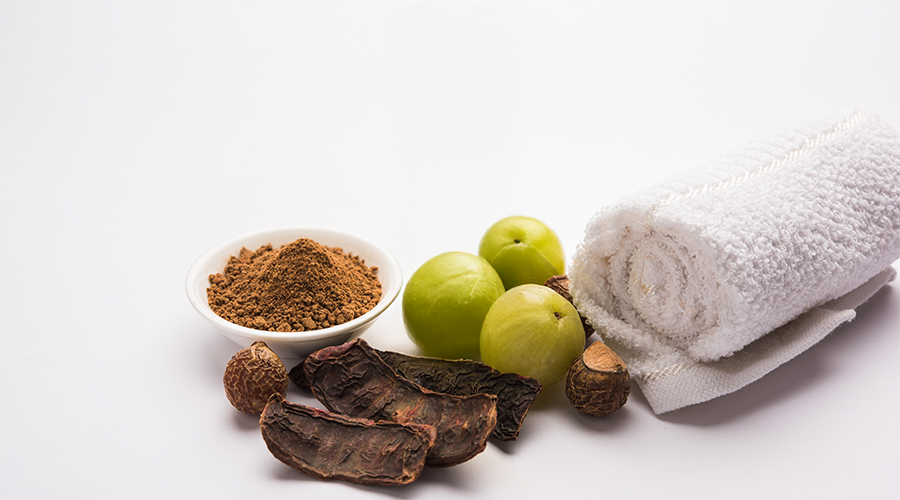
Reportedly, amla is one of the highest vitamin C-containing fruits in the Indian subcontinent. Small portions also help with daily vitamin C intake.
These fruits should be as raw as possible. Vitamin C has a short shelf life when heated or cooked for prolonged periods.
Verdict: Citrus fruits and amla do not directly provide collagen. They help your body make it efficiently.
4. Pumpkin Seeds
Type: Mineral Co-factor Engine
Best for: Preventing collagen breakdown
Key nutrients: Zinc and copper
Serving idea: 30g seeds
Pumpkin seeds are great for skin and tissue repair, thanks to their vitamin and mineral content. Zinc is also a good vitamin for repair and remodelling.
Zinc contributes to normal skin function, cellular proliferation and repair. It also helps in enzyme functions related to tissue renewal and repair. Zinc is essential for the normal functioning of tissue-protective cells. It helps maintain better skin condition, and could improve wound healing and speed it up.
Pumpkin seeds also contain copper. Copper supports the cross-linking of collagen and elastin, helping strengthen the tissue framework.
Pumpkin seeds are best eaten raw or lightly roasted, and should be minimally salted or unsalted.
While pumpkin seeds are nutrient-dense, they are also calorie-dense, so portion size is a concern. A single serving should not exceed a small handful.
Verdict: Pumpkin seeds are a smart vegetarian add-on for collagen support and skin repair.
5. Spirulina
Type: Glycine-Rich Micro-Algae
Best for: Active adults and recovery-focused diets
Key nutrients: Glycine and proline
Serving idea: 1 tablespoon powder
Spirulina refers to a class of blue-green algae. These algae can be concentrated into a protein-rich supplement.
Spirulina contains amino acids, such as glycine, which help repair tissues. Glycine also has a role in collagen synthesis.
You can easily add spirulina to a smoothie or cold juice, but try to avoid mixing it into hot beverages. Hot water or other liquids may denature some of the nutrients found in spirulina.
You should choose a reputable brand, as spirulina quality can be affected by heavy metals or other contaminants. A doctor should be consulted before using spirulina for those with autoimmune conditions or during pregnancy.
Verdict: Spirulina can support collagen-building diets when sourced carefully.
6. Yellow and Red Bell Peppers
Type: Synergistic Nutrient Delivery
Best for: Vitamin C and antioxidant support
Key nutrients: Vitamin C and carotenoids
Serving idea: 1 cup raw slices
If high-vitamin C foods are sought, red and yellow bell peppers should be top choices. According to the food data, red bell peppers can even contain more vitamin C per serving than oranges.
Because of this, they can aid in collagen synthesis, as Vitamin C is necessary for collagen stabilisation.
Carotenoids are also antioxidants that help skin cells, and they are found in bell peppers.
These can be added to salads, wraps, sandwiches, or even chaat bowls.
Vitamin C can degrade during prolonged cooking, so try to avoid cooking bell peppers for long periods.
Verdict: Bell peppers are one of the easiest daily foods for vitamin C-based collagen support.
7. Leafy Greens: Spinach, Kale, and Moringa
Type: Chlorophyll and Micronutrient Support
Best for: Daily skin nutrition
Key nutrients: Vitamin C, minerals, and antioxidants
Serving idea: 100g greens
Each leafy green is rich in Vitamin C, a plethora of antioxidants and other helpful minerals. The greens of choice in the Indian diet include spinach, kale, methi, amaranth, and, of course, moringa.
Moringa deserves some special recognition. Both essential and non-essential amino acids can be found in moringa, as well as many minerals, which is surely a boost to overall nutrition.
Leafy greens help to prevent oxidative stress. This is important, as oxidative stress is one of the main culprits in collagen deterioration.
Incorporate greens into your sabzi, dal, smoothies, soups, and cheelas. While some people may experience digestive difficulties, mild cooking may help improve their tolerance.
If you are at risk of developing kidney stones, consult your doctor about high-oxalate greens, such as spinach.
Verdict: Leafy greens protect the environment in which collagen is formed.
8. Almonds and Walnuts
Type: Copper Cross-Linking Co-factor
Best for: Elasticity and skin barrier support
Key nutrients: Copper, vitamin E, and healthy fats
Serving idea: 1 small handful
Almonds and walnuts are both beneficial for your skin, as they contain healthy fats and essential minerals. They do not help form collagen, but they help protect the tissues surrounding it.
Copper helps activate lysyl oxidase, which helps bind collagen and elastin.
Vitamin E helps the membranes of cells and, in addition, aids the skin barrier.
Soak almonds overnight and then eat them raw. Be mindful of your portions, as a small handful is generally ideal.
Verdict: Almonds and walnuts support collagen strength, moisture, and elasticity.
9. Tomatoes
Type: Lycopene Shield
Best for: Photo-aging support
Key nutrients: Lycopene and vitamin C
Serving idea: 2 medium tomatoes
Tomatoes contain Lycopene, which is an antioxidant that helps protect your skin.
This is especially helpful in protecting the skin from oxidative damage that weakens collagen due to sun exposure.
Tomatoes contain vitamin C, which assists with collagen formation.
Tomatoes are beneficial when raw, but cooking them helps lycopene absorption. Combine them with a small amount of healthy fat.
Don’t rely on ketchup, as it often contains a lot of sugar and salt.
Verdict: Tomatoes support existing collagen by reducing oxidative stress.
10. Chia and Flaxseeds
Type: Structural Lipid Base
Best for: Dry skin and inflammation support
Key nutrients: ALA omega-3 and amino blocks
Serving idea: 2 tablespoons daily
Chia and flaxseeds are sources of ALA, a plant-based omega-3 fatty acid and a healthy fat.
These healthy fats help support a balance between hydration and skin barrier integrity. They also help improve skin quality and tissue repair.
Flaxseeds should always be ground before consumption, as they are likely to be undigested when whole.
Chia seeds should be soaked in water before consumption. They can be incorporated into yoghurt, smoothies, oatmeal, or lemon water.
Quick-Reference Precursor Comparison Matrix
To see how these structural building blocks align with systemic skin nutrition, explore our clinical guide to the benefits of Vitamin E for skin health to synchronize your daily wellness routine.
| Rank | Vegetarian Food | Source Type | Primary Synthesis Action | Core Active Nutrient | Optimal Prep Form |
| 1 | Tofu / Tempeh | Amino Architecture Baseline | Supporting collagen backbone | L-lysine and proline | Minimal heat / steamed |
| 2 | Lentils / Chickpeas | Lysine Support | Helping cross-linking | Essential L-lysine | Sprouted or fully boiled |
| 3 | Citrus Fruits / Amla | Enzyme Catalyst | Activating hydroxylation | Vitamin C | Fresh and raw |
| 4 | Pumpkin Seeds | Mineral Engine | Supporting tissue remodeling | Zinc and copper | Unsalted / lightly roasted |
| 5 | Spirulina | Amino Acid Support | Supporting tripeptide assembly | Glycine | Cold-blended powder |
| 6 | Bell Peppers | Vitamin C Delivery | Protecting collagen pathways | Vitamin C | Raw slices |
| 7 | Leafy Greens | Antioxidant Support | Reducing oxidative stress | Chlorophyll and minerals | Lightly cooked |
| 8 | Almonds / Walnuts | Cross-Linking Support | Supporting elasticity | Copper and vitamin E | Raw or soaked |
| 9 | Tomatoes | Photo-ageing Shield | Protecting the dermal matrix | Lycopene | Lightly cooked |
| 10 | Chia / Flaxseeds | Lipid Base | Supporting hydration | ALA omega-3 | Ground or soaked |
Traditional Indian Diet Optimization Strategies
The Power of Amla
Vitamin C is a staple of the Indian diet, and amla is one of the most potent sources. It is incredibly economical and accessible.
Traditional nutrition data places amla well above oranges in vitamin C content. The specific value depends on the type and evaluation method.
Vitamin C is pivotal in activating enzymes that assist with collagen synthesis in tissues.
Use amla in chutney, murabba with less sugar, juice, or eat it raw.
Complementary Amino Pairing: Dal-Chawal Syntax
Indian meals are filled with thoughtful combinations for collagen building materials. Its available in dal and various rice or grain preparations. These also provide the other necessary amino acids and make the combination more energetic.
It does not mean that a perfect balance has to be achieved in each meal, as your overall diet matters most.
However, dal-chawal, rajma-rice, chana-roti, and khichdi make good meals conducive to collagen health.
It is also in line with the ICMR-NIN dietary recommendations. It proposes that a healthy adult needs about 0.83g of protein per kg of body weight, and a varied vegetarian diet is sufficient to meet the requirement.
Moringa as a Structural Tool
Moringa leaves, or sahjan, are useful for Indian diets for tissue and skin health.
Moringa is packed with amino acids, minerals, and antioxidants. This helps support the body’s repair and recovery pathways.
Add Moringa leaves to dal, soups, parathas, or stir fry, and use powdered Moringa from trusted sources.
To better understand how to optimise your cellular defence systems, read our extensive research on glutathione and skin health, and master the antioxidant pathways.
4-Week Vegetarian Collagen Integration Plan
| Week | Dietary Precursor Target | Preparation Protocol | Daily Target Intake | Synthesis Focus |
| 1 | Amino Acid Pool Loading | Add sprouted lentils or tofu daily | 2 servings | Builds raw amino blocks |
| 2 | Vitamin C Catalyst Support | Add fresh amla or raw bell peppers | 100% daily vitamin C target | Activates hydroxylase enzymes |
| 3 | Trace Mineral Activation | Add pumpkin seeds and soaked almonds | 1 combined handful | Supports tissue remodelling |
| 4 | Micro-Algae and Antioxidant Shield | Add spirulina with citrus juice | 1 tablespoon daily | Supports advanced defence |
Start slowly. Do not add everything in one day.
Begin with protein quality first. Then improve vitamin C intake. After that, add mineral-rich seeds and nuts.
This plan works best with hydration, sleep, and lower sugar intake. Refined sugar can increase glycation. Glycation may stiffen protein structures and affect skin quality.
HK Vitals Support for Collagen and Skin Health
A plant-based diet provides all the nutrients your body needs to build collagen. But it can be difficult to meet certain nutrient requirements. You can improve your natural skin tone and health from the inside out with the right support.
If you want a vegan option, you can try HK Vitals Plant-Based Collagen Builder. This product has plant extracts, biotin, and vitamin C, and it helps the body build collagen without using animal tissues.
If you want skin hydration and reduced fine-line visibility, you can try HK Vitals Skin Radiance Collagen. This contains marine collagen peptides, vitamin C, and hyaluronic acid. This also supports skin elasticity.
Frequently Asked Questions
Q1 Which veg food is highest in collagen?
No vegetarian food contains true collagen, as it is animal tissue. However, the best vegetarian sources of collagen precursors are non-GMO soy foods, such as tofu and tempeh. Soy foods also have all the essential amino acids, including lysine and proline. They can also be paired with raw citrus fruits or amla to provide the vitamin C needed for collagen synthesis.
Q2 Which Indian food is rich in collagen?
No, direct Indian vegetarian food doesn’t have collagen. However, Indian food can help support collagen synthesis. Amla has vitamin C, and lentils and chickpeas have lysine. Moringa leaves have amino acids and antioxidants, as well. A meal like dal-chawal with amla chutney can support pathways that build collagen.
Q3 How can I naturally increase collagen in 7 days?
Rebuilding systemic collagen in 7 days is impossible, but you can support collagen pathways in that timeframe. Start by incorporating more protein-rich foods, such as tofu, lentils, chickpeas, and yoghurt. Vitamin C-rich foods should be eaten every day. Amla and bell peppers should be added to your diet, too. Refined sugar should be limited. Adding pumpkin seeds will increase your dietary zinc. Each step in this process of raw materials will support the body’s repair.
Q4 What are the 5 supercollagens, and can vegetarians get them?
The major collagen types are I, II, III, IV, and V. Type I collagen supports your skin and bones. Type II supports cartilage. Type III supports blood vessels and organs. None of the 5 major collagens can be found directly in plant foods. However, to produce collagen, your body needs amino acids and vitamins, along with zinc and copper, which can all be found in vegetarian diets.
Q5 Are vegetarian collagen builders the same as collagen supplements?
No. Vegetarian collagen builders do not provide direct collagen peptides. They provide nutrients that help your body make collagen. These may include vitamin C, biotin, amino acids, zinc, copper, and plant extracts. Marine or bovine collagen supplements provide collagen peptides directly. The right option depends on your diet preference and health goals.
Q6 What should vegetarians avoid to protect collagen?
Vegetarians should limit refined sugar, ultra-processed snacks, smoking, excess alcohol, and unmanaged sun exposure. These factors can increase oxidative stress and glycation. Both can affect skin elasticity. A collagen-supporting diet works better when paired with sunscreen, sleep, hydration, and enough protein.