
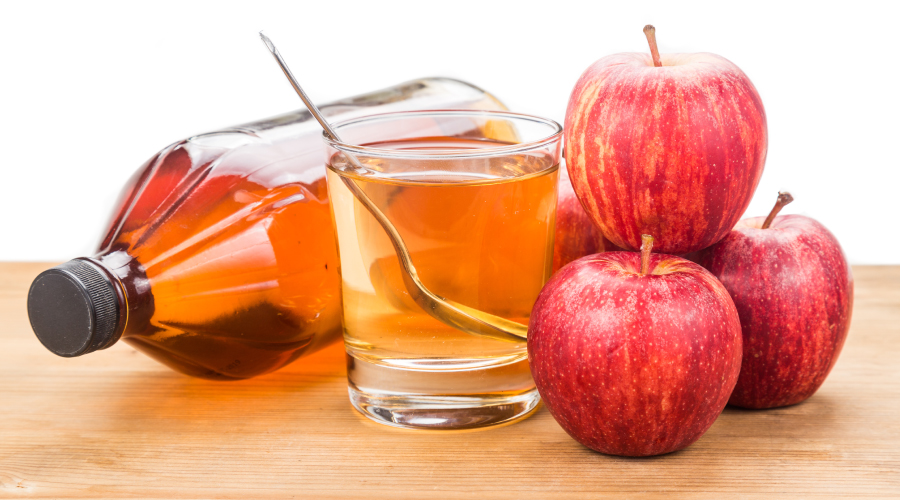

From bloating and cravings to shifting metabolism and hormonal breakouts, women deal with a lot. It’s no surprise that women are always on the lookout for healthy habits that are easy to incorporate to help with their wellness. One of those is apple cider vinegar (ACV for short). This guide has 10 women-focused benefits of apple cider vinegar. It also has tips on when to take it, how to take it safely and appropriately, and where to find the best studies.
ACV improves women’s health due to its main component, acetic acid. Some of the reported benefits include:
- Improved insulin sensitivity
- Decreased blood sugar spikes after meals
- Increased fullness after meals.
A few small studies reported positive results in the metabolic and weight management areas for women with PCOS. Generally, 1-2 tablespoons of ACV mixed in a large glass of water is the safest daily serving, whereas drinking it undiluted should be avoided.
The Acetic Acid Pathway: How Apple Cider Vinegar Works
In order to produce ACV, apple juice must first be fermented. During fermentation, sugar is first converted into alcohol by yeast. In the following step, bacteria convert the alcohol into acetic acid. The T.H. Chan School of Public Health at Harvard reports that to classify a substance as vinegar, it needs to contain a minimum of 4% of acetic acid.
The main reasons ACV has so many benefits and medicinal properties are its sour taste and its effects on metabolism and digestion.
However, ACV shouldn’t be seen as a stand-alone treatment. It should be taken with protein, fibre, other food(s), exercise, sleep, and medicine.
Glycaemic Control and Glucosidase Inhibition
After consuming a carbohydrate-dense meal, the body converts starch into glucose. This glucose is then released into the bloodstream. This is why blood sugar levels soar after consuming rice, bread, candy, or other highly refined and processed snacks.
The process may be inhibited by acetic acid. According to a review published in the Nutrition Reviews, vinegar may reduce postprandial glucose levels. It can do so via three mechanisms. These include inhibition of starch digestion. Also, increased glucose uptake and a shift in metabolic signal regulation.
This does not imply that ACV can be used in place of other diabetes medications. Rather, it can be used, in a diluted form, in addition to these medications for other people. Women with diabetes, with PCOS, with insulin resistance, and with episodes of hypoglycaemia should get the advice of a physician prior to using ACV.
Short-Chain Fatty Acids and Satiety Mechanisms
Acetate is a short-chain fatty acid that can signal satiety. A study published in Nature Communications reported that acetate can control appetite by signalling to the hypothalamus.
ACV may also delay the process of gastric emptying. This may, in fact, increase the interval of time that food resides in the stomach. As a result, some individuals may report feeling more satisfied after eating. This effect may be undesirable for individuals with gastroparesis. According to a study published in BMC Gastroenterology, vinegar further delayed gastric emptying in individuals with type 1 diabetes and gastroparesis.
Because of this, ACV may be an agent of satiety for some individuals. It may also be undesirable for others.
10 Best Science-Backed ACV Benefits for Women
1.Improves Insulin Sensitivity and Balances PCOS Curves
Verdict: ACV may help with insulin sensitivity. This could help women with metabolic issues related to PCOS.
PCOS is linked with insulin resistance. According to the World Health Organization, PCOS affects about 10% to 13% of women in the reproductive age range. WHO also claims that 70% of women with PCOS go undiagnosed all over the world.
Some women with PCOS participated in a study. It claimed that vinegar helped some regain ovulation and improved their insulin sensitivity. It was a study of 7 women, and larger studies are needed, but it is the first clinical claim for ACV and the insulin aspect of PCOS.
In a more recent 2026 clinical trial by Scientific Reports, 94 women with PCOS, metabolic syndrome, and insulin resistance were studied. All women took metformin and either the placebo or ACV capsules for 12 weeks. The ACV group showed a resolution of metabolic syndrome with a 74.5% improvement, while the placebo group showed only a 40.4% improvement.
Specs:
Primary Marker: Fasting insulin sensitivity
Clinical Dosage Studied: 15 ml diluted ACV or ACV equivalent
Best for: Women seeking dietary support for insulin tracking. Those with PCOS-related metabolic balance and ovulation support.
2. Supports Healthy, Sustainable Weight Management
Verdict: ACV may help with weight management. It helps reduce cravings and improve the feeling of fullness.
ACV doesn’t directly “burn fat”, and it doesn’t help with weight loss in the case of no calorie deficit. It can help with weight loss by potentially reducing the amount of food eaten.
According to a study reported by the Harvard Nutrition Source, the weight and body mass index (BMI) of 155 adults studied decreased over 12 weeks when they consumed either 15 ml or 30 ml of vinegar daily. The participants lost between 2 and 4 pounds.
A 2025 publication of a meta-analysis regarding the effects of ACV on body composition indicated that participants who benefited the most from the addition of ACV to their diet were those who were either overweight, obese, or had Type 2 diabetes. Those results improved when participants consumed ACV at a dose of 30 mL per day for 12 weeks.
Specs:
Primary Marker: Body weight, BMI, waist circumference
Clinical Dosage Studied: 15 to 30 ml daily
Best for: Women seeking modest weight support along with balanced meals, protein intake, and regular movement.
3. Stabilises Post-Meal Blood Glucose Spikes
Verdict: Diluting vinegar and consuming it prior to a meal may significantly mitigate post-meal glucose spikes.
Energy crashes, especially after a high-carbohydrate meal, are a common phenomenon experienced by women. It can be attributed to fast post-meal glucose spikes and the subsequent sharp drops. Consuming ACV post-meal may help combat spikes.
A meta-analysis published in Clinical Nutrition ESPEN found that post-meal vinegar consumption resulted in lower glucose and insulin levels. A review published in Nutrition Reviews also documented strong evidence to support the same. It mentioned that vinegar consumption reduces post-meal glucose spikes. But when paired with a carbohydrate-loaded meal.
ACV has the most evidence in this area. Caution is advised for those on glucose-lowering medications. Adding ACV to their regimen may result in additive lowering effects.
Specs:
Primary Marker: Postprandial glucose response
Clinical Dosage Studied: Around 15 ml before or with meals
Best for: Women who want steadier post-meal energy. And those with fewer sugar crashes after carbohydrate-heavy meals.
4. Increases Satiety and Helps Manage Daily Cravings
Verdict: The consumption of ACV may result in the sensation of fullness, which may assist in controlling the portions of meals.
Cravings may be the result of a multitude of factors. ACV may be useful in meal craving control through the improvement of the post-meal glucose response and slower digestion.
The study published in Nature Communications discussed the effects of the acetate ion on the appetite control centre of the brain. Evidence from the study is, however, not conclusive. Harvard also documented the inconsistent effects of vinegar on appetite and gastric emptying in the published studies.
Some people have said drinking diluted ACV before breakfast or lunch helps control their appetite. And they have said that it may minimise trips to the snack cupboard!
Specs:
Primary Marker: Appetite control and meal fullness
Clinical Dosage Studied: Around 15 ml diluted before meals
Best for: Women trying to manage portion sizes and reduce frequent sugar cravings.
5. Restores Natural Skin pH and Calms Acne
Verdict: Very diluted ACV may help with pH balance of the skin. Direct applications may irritate the skin.
The outer layer of the skin is healthy and lightly acidic. It is called the acid mantle. The journal Current Problems in Dermatology notes that changes in skin pH can contribute to conditions such as eczema and acne.
There is a correlation between pH balance and acne, and a study of the skin of those with acne vulgaris showed significant changes in skin pH.
Because ACV is very acidic, direct applications to the skin may burn or irritate it. Active, irritated, or sensitive skin, like those who suffer from broken skin or eczema, should avoid DIY ACV toners.
Specs:
Primary Marker: Skin surface pH and barrier balance
Suggested Dilution: At least 1 part ACV to 4 parts water, patch test first
Best for: Women with oily or acne-prone skin who want to understand pH balance. Use only with a dermatologist’s guidance.
6. Eases Functional Bloating and Supports Low Stomach Acid
Verdict: ACV may alleviate discomfort from heaviness after eating for some people. But the human studies are not extensive.
A lot of people use ACV for digestive issues and bloating. It makes sense. ACV has organic acids and may aid digestion in the acidic environment.
That said, many human studies are not extensive. Harvard reports that there is no research where vinegar has been used to treat low stomach acid or GERD. Harvard also reported that concentrated vinegar can irritate the stomach and oesophagus.
So, yes, ACV may help some people after a heavy meal feel lighter, but it can make symptoms of acidity, reflux, ulcers, and gastritis worse.
Specs:
Primary Marker: Digestive comfort and stomach fullness
Suggested Dosage: 5 to 10 ml diluted in water
Best for: Women with occasional heaviness after meals, not those with reflux, ulcers, or gastroparesis.
7. Enhances Intracellular Nutrient and Mineral Absorption
Verdict: Some early human studies suggest that Acetic acid may make some minerals more soluble.
Mineral absorption is complex. Stomach acid, the food you eat, gut health, vitamin D, and some antinutrient factors like phytates influence absorption.
Some animal studies have reported that vinegar has improved calcium absorption. A study in the Journal of Nutritional Science and Vitaminology reported that vinegar in the diet of some rats improved calcium absorption in the intestines.
That said, human studies are limited. Under certain conditions, it is possible that acetic acid makes some minerals more available. For women, calcium, iron, and magnesium are important for bone health, menstrual health, and energy.
Specs:
Primary Marker: Mineral solubility and calcium absorption
Clinical Dosage: Not established in humans
Best for: Women focused on long-term bone health and mineral intake. ACV should not replace supplements when prescribed.
8. Supports Vaginal Microbiome Health Indirectly
Verdict: ACV should never be used inside the vagina. Taking ACV should only help by balancing glucose levels.
This benefit needs careful understanding. The vagina has a distinct microbiome and PH balance. ACV should not be applied vaginally or used for douching. This can irritate tissues and disrupt the natural vaginal balance.
There is a connection through blood sugar. The CDC reports women with diabetes have an increased rate of vaginal yeast infections, with high blood sugar. The CDC reports that chronic vulvovaginal candidiasis is related to diabetes and is present in less than 5% of women.
Since ACV aids in glucose control, it may provide some support to women with yeast infections caused by blood sugar fluctuations. It should not be used for chronic yeast infections or bacterial vaginosis.
Specs:
Primary Marker: Blood glucose stability and yeast risk factors
Clinical Dosage: 15 ml oral diluted ACV, if tolerated
Best for: Women with sugar-linked yeast concerns who are already following medical advice.
9. Optimises Cardiovascular Lipid Profiles and Cholesterol Balance
Verdict: ACV may provide some improvement with cholesterol and triglycerides.
Heart health is very important to women post-menopause. It is important to note that the health of blood vessels, the distribution of body fat, and lipid levels can fluctuate with Oestrogen.
A systematic review and meta-analysis published in BMC Complementary Medicine and Therapies noted that those with Type 2 Diabetes who used ACV for 8 or more weeks scored the highest and benefited the most, with decreases of 6.06 mg/dL in total cholesterol and 7.97 mg/dL in fasting plasma glucose.
The effects are minor. ACV should not be used as a substitute for prescribed medications. For some women, it may provide support.
Specs:
Primary Marker: Total cholesterol, fasting glucose, triglycerides
Clinical Dosage Studied: 15 to 30 ml daily
Best for: Women tracking lipid profiles, especially during midlife or after menopause.
10. Boosts Antioxidant Defence Against Oxidative Ageing
Verdict: Raw ACV contains polyphenols, but it is not a major antioxidant source.
Oxidative stress impacts aging, inflammation, and the likelihood of ongoing illnesses. Apples have polyphenols, and some may be present in apple cider vinegar (ACV).
Harvard says vinegar may have a small amount of trace vitamins and minerals, amino acids, and polyphenols. They also say vinegar has polyphenols with an antioxidant effect, but human studies are lacking.
Based on studies done on animals, it is possible that ACV has the ability to lessen oxidative injury and lipid peroxidation. One study in mice found that ACV can reduce oxidative injury and lower serum lipids. However, the results of studies done on animals cannot be considered as evidence for humans.
Specs:
Primary Marker: Oxidative stress and lipid peroxidation
Clinical Dosage: Not clearly established in humans
Best for: Healthy adults who want a polyphenol-rich diet. ACV should be one small part of that diet.
Quick-Reference ACV Use and Dilution Table
Do not drink ACV straight. Always dilute it well. You can also use it in salad dressings, soups, chutneys, marinades, or fermented-style recipes.
For more daily nutrition support, you can also read our internal guide to gut health foods.
| Clinical Goal | Optimal Timing | Liquid Dilution Ratio | Key Biological Marker |
| Insulin and PCOS Support | 10–15 minutes before a main meal | 15 ml ACV in 250 ml water | Fasting insulin and glucose response |
| Blood Glucose Support | Before a high-carb meal | 15 ml ACV in 200 ml water | Post-meal glucose rise |
| Indigestion and Bloating | Early morning or pre-meal, only if tolerated | 5–10 ml ACV in 150 ml water | Digestive comfort |
| Topical Skin pH Toner | Night after cleansing, only after patch test | 5 ml ACV in 20 ml water | Skin pH balance |
| Lipid Support | With or before meals | 15–30 ml ACV daily, diluted | Total cholesterol and triglycerides |
Safe Consumption Protocols: Protecting Enamel and Tissues
ACV has an extreme pH. Safe use is more important than high dosage. An increase in dosage will not improve the outcome.
The Undiluted Acid Danger
Undiluted ACV may cause throat irritation and damage to teeth. Enamel erosion is a documented effect of vinegar. Several types of vinegar produced varying levels of erosion in a study of the effects of vinegar on human teeth.
Another study documented damage to teeth from daily vinegar consumption. One of the cited reasons for the damage was insufficient dilution. Undiluted ACV is never to be taken as a shot. Avoid consuming it before going to sleep. Never brush your teeth after consuming it. Vinegar temporarily softens enamel, and brushing would increase the erosion.
The Straw and Rinsing Rule
If you must drink ACV, ensure it is well diluted. Reduce the risk of damage to your teeth by drinking it through a straw and rinsing your mouth with water afterwards.
Give your teeth a break for 30 minutes before brushing.
ACV is prohibited for women with the following:
- Diabetes
- Renal disease
- Gastroesophageal reflux disease, or
- Ulcer issues.
They should only consume ACV after discussing it with their primary care physician. ACV may impact blood sugar and gastric motility.
Raw With “The Mother” vs Filtered: Identifying Clinical Quality
ACV that is Raw and unfiltered and contains “The Mother” is cloudy in nature. This sediment is the residue from ACV fermentation. “The Mother” contains a host of proteins, enzymes, and bacteria.
Some filtered ACV may still offer health benefits for regulating blood sugar levels. It may also help address gastric-related concerns. However, health enthusiasts prefer ACV with “The Mother” and less processing.
That said, ACV isn’t a probiotic food like curd, kefir, or tested probiotic strains. Harvard claims that vinegar is produced through fermentation and is generally not classed as a probiotic food. Some apple cider vinegar may contain pectin, which can act as a prebiotic.
When choosing ACV, look for these points:
- Raw and unfiltered
- Contains “The Mother”
- No added sugar
- No artificial colour
- Packed in a glass bottle, if possible
- Clear label showing acetic acid percentage
- Food-grade quality
ACV gummies and drinks with added sugar should also be avoided as they may be counterproductive to the benefits of glucose control.
Conclusion
For women, some of the most promising benefits of apple cider vinegar that support wellness include:
- Blood sugar and insulin control
- Metabolic support related to PCOS
- Appetite control
- Mild improvements in lipids
- Digestive support
It may also improve the skin’s pH, although evidence for this is very thin.
The most important aspect of apple cider vinegar is its safe use. Never drink it as a shot, apply it to your skin, or use it vaginally. For further support, consider combining apple cider vinegar with a diet rich in protein and fibre. Also, get medical support when needed.
